The Growing Trend of Botanicals in Wax Melts
Updated: Apr 13
What Are Botanicals in Wax Melts?
Botanicals refer to plant-based materials such as dried flowers, herbs, leaves, seeds, and even small twigs. When incorporated into wax melts, these natural elements create a visually appealing product that often carries subtle natural aromas alongside the added fragrance oils. Unlike purely synthetic wax melts, those with botanicals offer a more organic and artisanal feel.
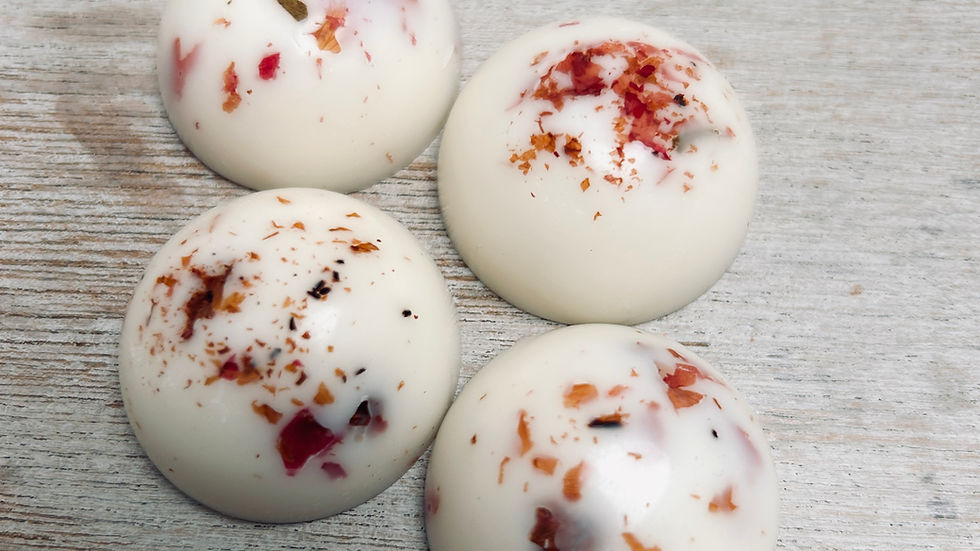
Common botanicals used include:
Dried lavender buds
Rose petals
Chamomile flowers
Eucalyptus leaves
Rosemary sprigs
Each botanical brings its own texture, colour, and sometimes a faint scent that complements the wax melt’s fragrance.
Why Botanicals Are Becoming Popular in Wax Melts
Several factors contribute to the rise of botanicals in wax melts:
1. Desire for Natural and Eco-Friendly Products
Consumers increasingly seek products that feel natural and environmentally friendly. Wax melts with botanicals fit this demand by using plant-based materials that are biodegradable and often sourced sustainably. This appeals to buyers who want to reduce their use of synthetic chemicals and plastics.
2. Enhanced Aesthetic Appeal
Botanicals add a decorative touch that makes wax melts stand out. The visible dried flowers or herbs create a rustic, handmade look that many find attractive. This makes them popular as gifts or decorative items, not just for their scent.
3. Subtle Aromatherapy Benefits
Some botanicals carry natural essential oils or compounds that can gently enhance mood or relaxation. For example, lavender is known for its calming properties, while eucalyptus can help clear the mind. Even if the botanical scent is faint, it can add a layer of complexity to the fragrance experience.
4. Artisanal and Small-Batch Appeal
Many small businesses and crafters use botanicals to create unique, handcrafted wax melts. This trend aligns with the growing interest in artisanal products that feel personal and special compared to mass-produced items.
How Botanicals Affect the Wax Melt Experience
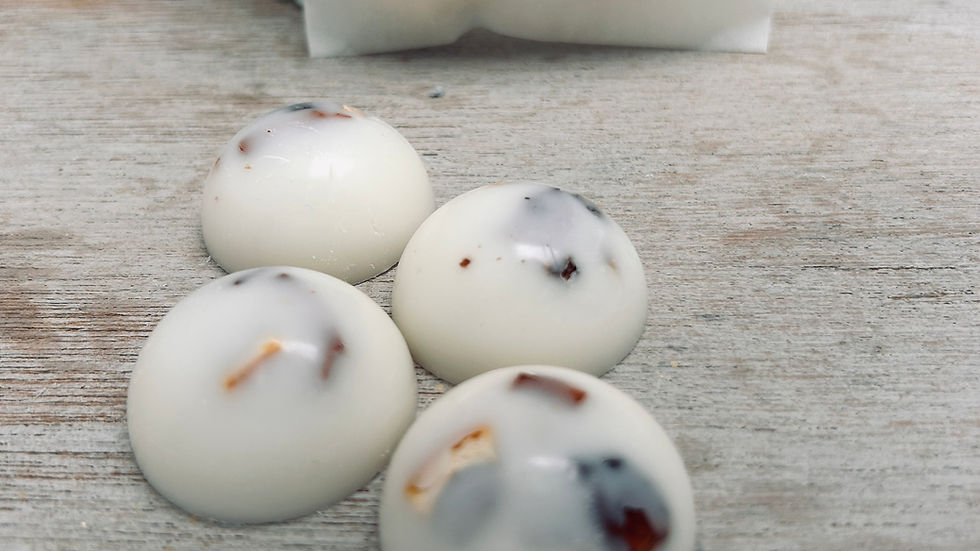
Visual Impact
The presence of botanicals makes wax melts visually interesting. When placed in a wax melter, the colours and textures of the botanicals become more noticeable, creating a cosy and inviting atmosphere.
Scent Complexity
While the main fragrance usually comes from added oils, botanicals can subtly influence the scent profile. For example, dried rosemary might add a fresh, herbal note, while rose petals can lend a soft floral undertone.
Burn Characteristics
It is important to note that botanicals can affect how wax melts burn or melt. Some botanicals may char or darken when heated, which can alter the appearance and sometimes the scent. Choosing high-quality botanicals and proper wax formulations helps minimise this issue.
Practical Tips for Using Botanicals in Wax Melts
If you want to try wax melts with botanicals or make your own, consider these tips:
Choose dried botanicals: Fresh plant material contains moisture that can affect the wax’s performance. Always use fully dried flowers or herbs.
Use small amounts: Too many botanicals can interfere with melting and scent release. A few petals or sprigs per melt are enough.
Test for safety: Some botanicals may produce soot or smoke when heated. Test your wax melts in a safe environment before regular use.
Pair botanicals with complementary scents: Match the botanical type with fragrance oils that enhance or balance the natural aroma.
Store properly: Keep wax melts away from direct sunlight and moisture to preserve both the wax and botanicals.
Examples of Popular Botanical Wax Melt Combinations
Lavender and Chamomile: A calming blend perfect for relaxation and bedtime.
Rose and Vanilla: Floral sweetness with a warm, comforting base.
Orange & Cinnamon: A zesty tone combined with the warming cinnamon.
Citrus and Rosemary: Bright and herbal, great for energising a space.
These combinations show how botanicals can add depth and character to wax melts beyond simple fragrance.
The Benefits of Choosing Botanical Wax Melts
Choosing botanical wax melts offers several advantages. They not only provide a unique sensory experience but also align with a growing desire for natural and eco-friendly products. By opting for these artisanal creations, we support small businesses and enjoy the beauty of nature in our homes.
In conclusion, the rise of botanicals in wax melts is a delightful trend that enhances our sensory experiences. With their visual appeal, natural aromas, and potential benefits, they are a wonderful addition to any home. So why not explore the world of botanical wax melts? You might just find your new favourite scent!
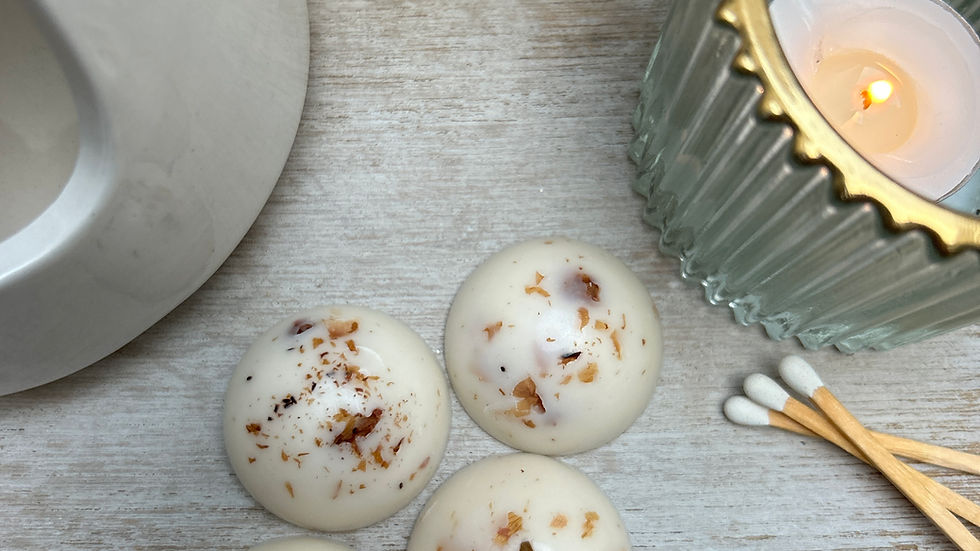
Explore the Botanical Mini Melts Range
If you're intrigued by the idea of incorporating botanicals into your home fragrance routine, I invite you to explore our Botanical Mini Melts range. Each melt is crafted with care, ensuring you receive a product that is both beautiful and fragrant.
Discover the unique scents of our mini melts, such as:
These options showcase the beauty and versatility of botanical wax melts, making them a perfect addition to any home.


Comments